
Presenter Profile
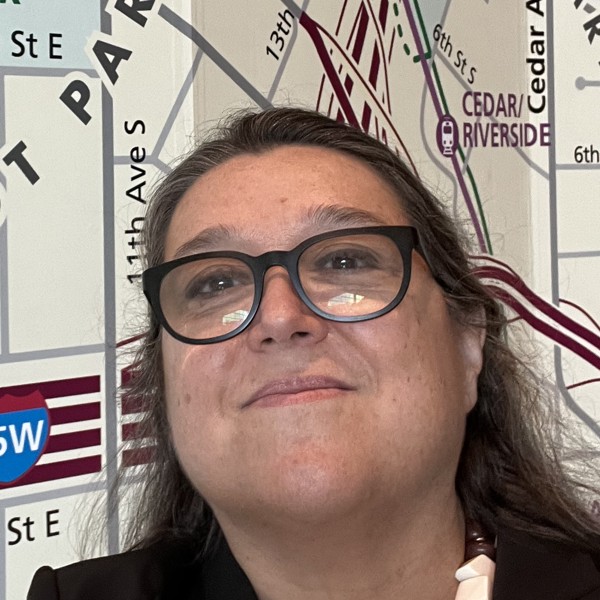
Maria Veronica Svetaz, MD, MPH, FSAHM, FAAFP
Medical Director, Health Equity Clinical Outcomes, Hennepin Healthcare
Associate Professor, Department of Family and Community Medicine, University of Minnesota
maria.svetaz@hcmed.org
Maria Veronica Svetaz, MD, MPH, is a Latine family physician in the Department of Family and Community Medicine at Hennepin Healthcare, faculty in the interdisciplinary Leadership Education on Adolescent Health (LEAH) Fellowship in the Department of General Pediatrics, and associate professor in the Department of Family Medicine from the University of Minnesota, in the United States. Originally from Argentina, she has designed and directed the Aqui Para Ti/Here for You (APT) youth development program since 2002, funded by the Minnesota Department of Health's Elimination of Health Disparities Initiative Grant. This program has received multiple national awards, including the 2014 Millar Award for Innovation in Adolescent Care from the Society for Adolescent Health (SAHM). She also designed and directs Between Us, an interdepartmental program for comprehensive sexual health care and support for parents. Last year, it launched the Radical Healing Initiative, extending the APT model to the other core adolescents served by Hennepin Healthcare: African American and African adolescents. Her research focuses on parenting Latino adolescents, transitions of care, CBPR (community-based participatory research), and health equity for adolescents and all. She led the SAHM position paper on racism and health in 2018 and the creation of the anti-racism toolkit that followed in 2019. She recently published several chapters and commentaries in the Journal of Adolescent Health on political-racial socialization, youth, and parent training. She is a past chair of the Society of Adolescent Health and Medicine (SAHM) Diversity Committee, where she is now an active consultant, a past SAHM Board of Directors member (2021-2024), and currently a Publication Editorial Committee member. She has participated in several health equity and immigration initiatives in different MN organizations. She is the recent past co-chair and co-founder of the WONCA (World Organization of Family Doctors) Special Interest Group on Adolescent and Young Adult Health. Dr. Svetaz is the new Medical Director of Health Equity Clinical Outcomes at Hennepin Healthcare. She considers herself a scholar in both health equity and adolescent health.
Presentations
Injury Prevention in Times of Crisis: Protecting Immigrant and Refugee Children and Families
Sofia Chaudhary, MD, MPH
Elizabeth Franklin, MSW, LICSW
Maria Veronica Svetaz, MD, MPH, FSAHM, FAAFP
Immigrant and refugee children may face increased injury risks related to displacement, unfamiliar environments, housing and transportation challenges, and barriers to preventive care. During periods of heightened immigration enforcement, these vulnerabilities may be compounded by instability, social isolation, and disruptions in the systems that support child safety. Such crises can simultaneously increase children’s exposure to injury hazards while decreasing access to the systems and resources that ordinarily protect them from those hazards.
This keynote will examine heightened immigration enforcement through a pediatric injury prevention lens, including how disrupted caregiving and supervision, delayed or avoided medical care, family separation, and direct exposure to enforcement encounters can increase risks for unintentional and intentional injury. Speakers will also consider how prolonged fear and uncertainty can contribute to psychological trauma and cumulative adversity.
Drawing on clinical, community, and organizational experiences, the session will highlight strategies to identify emerging injury risks, reduce hazards, maintain access to injury prevention resources and care, and strengthen protective environments for children and families. Participants will leave with actionable opportunities for injury prevention professionals, health care systems, and community partners to protect the physical safety and well-being of immigrant and refugee youth during periods of crisis.
1. Describe injury risks and safety vulnerabilities among immigrant and refugee youth, including those related to displacement, housing, supervision, unfamiliar environments, and barriers to preventive care.
2. Examine how heightened immigration enforcement can amplify injury risk and psychological trauma through disrupted caregiving, family separation, instability, delayed care, and exposure to traumatic events.
3. Identify trauma-informed, community-engaged strategies for pediatric injury prevention and health care professionals to reduce injury risk, maintain access to care and prevention resources, and strengthen protective environments for immigrant and refugee youth.