
Presenter Profile
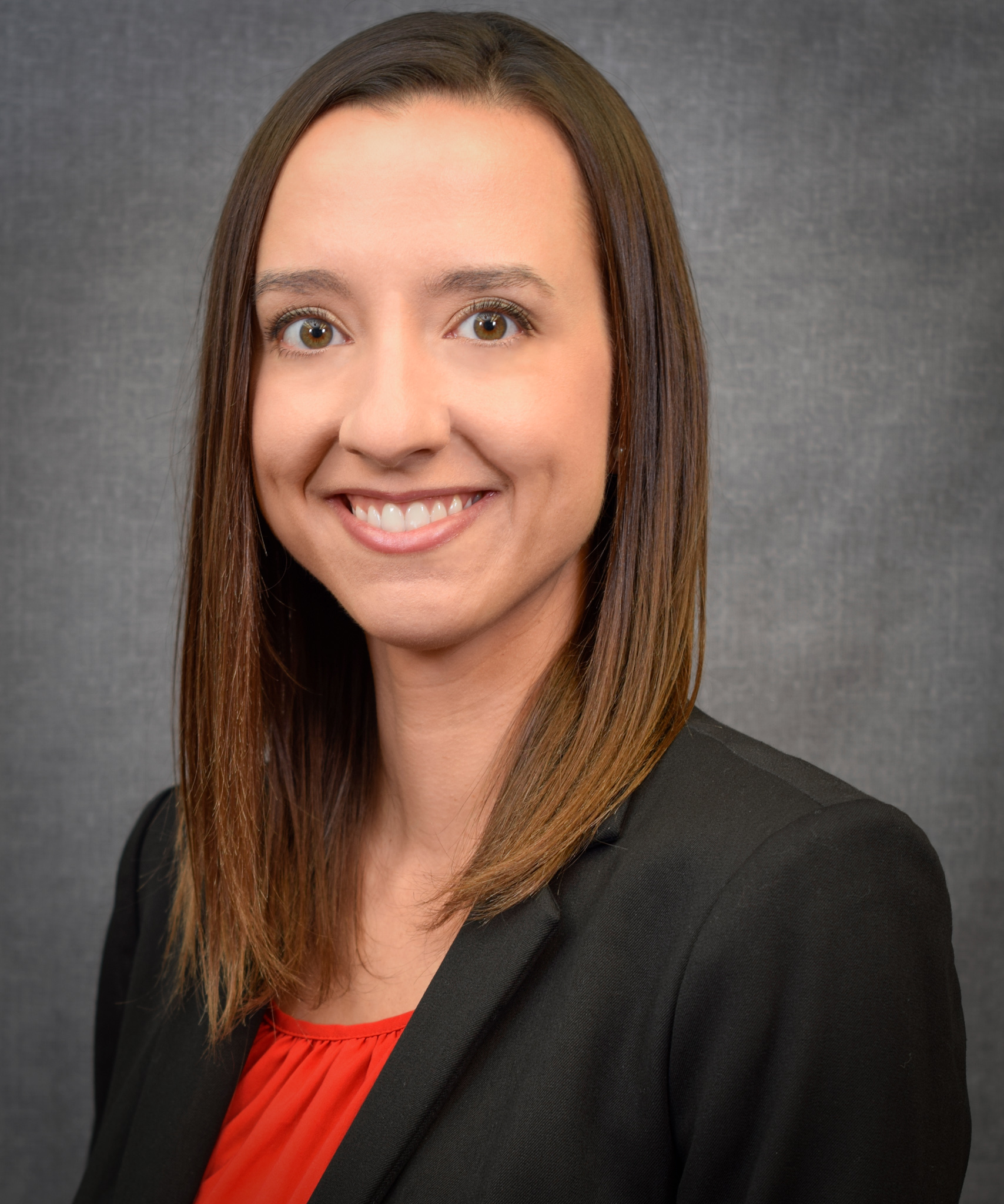
Julie Mansfield, PhD
Research Associate Professor – Injury Biomechanics Research Center (IBRC)
Co-Director – Center for Child Injury Prevention Studies (CChIPS)
School of Health and Rehabilitation Sciences
The Ohio State University
julie.mansfield@osumc.edu
Dr. Julie Mansfield is a Research Associate Professor at the Injury Biomechanics Research Center at The Ohio State University. Dr. Mansfield is the co-director of the Center for Child Injury Prevention Studies, which is a research consortium connecting academia with industry. She holds degrees in Mechanical and Biomedical Engineering. Her work focuses on child passenger safety, especially the usability of child restraint systems and their performance in different crash modes. She has been a Child Passenger Safety Technician since 2014.
Presentations
Drivers of booster seat use and non-use among caregivers in the United States
Julie Mansfield, PhD
Gretchen Baker, PhD
Cassandra Herring, BS
Morag MacKay, MSc
Motor vehicle crashes are consistently a leading cause of death and injury for children in the United States. Seat belts and booster seats are effective at reducing the risk of death and injury for pediatric occupants of motor vehicles. The objective of this study was to conduct an online survey of booster seat-aged children to define appropriate vs. inappropriate restraint use, identify high-risk behaviors, explore reasons for transitioning to new methods of restraint, and determine whether seat checks or riding with other drivers affects restraint behaviors.
A total of 3,026 parents and primary caregivers of children ages 4-10 years in the United States completed an online survey about their child’s passenger restraint type, knowledge and usage habits, reasons for using the restraint, and family demographics. Restraint type was categorized as appropriate or inappropriate based on reported child height and weight. Descriptive statistics, multivariable regressions, and chi-square tests were used to identify trends associated with various populations.
Restraint types were reported as rear-facing or forward-facing harness restraint (21.0%), booster seat (49.1%), seat belt alone (26.0%), and unrestrained (3.9%). Younger children were significantly more likely to be appropriately restrained and always seated in the rear seat compared to older children. Most “seat belt only” users (81.7%) had not yet reached the recommended height of 57 inches. Non-parent primary caregivers, those of lower socioeconomic levels, and Black Non-Hispanic families were significantly more likely to have children in an inappropriate restraint type. Allowing children to sit in the front row was significantly more likely among parents, especially highly educated males. Attendance at car seat checks was associated with appropriate restraint use, although gaps in booster seat-related knowledge persisted.
Despite continuing efforts in child passenger safety, fatality rates remain high for unrestrained and inappropriately restrained children. Many children in the current study transitioned restraint types before meeting the recommended height or weight milestones, especially for the transition from booster to seat belt alone. This work provides practical applications such as identifying populations who might benefit from targeted messaging campaigns or educational interventions to address specific types of high-risk behaviors and attitudes. Innovative intervention strategies should be explored using these population-based data as a guide.
1) Identify age ranges and populations of children most at risk of riding inappropriately restrained in vehicles.
2) Explore factors that influence caregivers’ decision-making processes for vehicle travel with their children.
3) Discuss opportunities to tailor messages for specific populations’ needs.
Building a culture of safety: A car safety program for elementary school students
Julie Mansfield, PhD
Gretchen Baker, PhD
Janelle Ozmun
Seat belts, booster seats, and child restraint systems (CRS) are among the most effective tools for reducing pediatric death and injuries in motor vehicle crashes (MVCs). Despite their proven effectiveness, large proportions of children continue to ride unrestrained or improperly restrained, especially elementary school-aged children.
Safety culture within families and communities plays a central role in child restraint practices. Children riding with unrestrained adult drivers have higher rates of being unrestrained or inappropriately restrained. These data highlight the intergenerational transmission of safety behaviors and the importance of addressing restraint use with a broader family and community context. Our state faces particular challenges related to occupant restraint. The state ranks 40th nationally for seat belt usage, with only 84.8% of the population buckling up.
These data form the basis of the objective of this program: to fill the need for innovative, effective solutions tailored to families with school-aged children, particularly in communities where safety culture is weak or underdeveloped.
A new program was developed in 2024 through a collaboration between the state Traffic Safety Office and a major university. The "Buckle Up" program is a classroom-based curriculum designed for elementary school children. It includes a facilitator’s guide enabling community representatives to lead a one-hour classroom session. The program is designed for law enforcement, school resource officers, nurses, or other community representatives to present the session in their local school classrooms. This builds a sense of community support and positive exposure for students to their local safety advocates.
The curriculum demonstrates how seat belts work using toy cars with egg occupants, emphasizes correct booster seat use, and encourages children to advocate for their own safety in vehicles. Instruction is reinforced through guided discussion, hands-on activities, and a high-energy song-and-dance video (the "Seat Belt Boogie") featuring the state university's beloved mascot. Supplemental materials, including word puzzles, drawing exercises, and parent handouts, reinforce key safety messages.
The program is funded by our state government. The entirety of the educational content can be downloaded for free from the state's Traffic Safety Office website. Presenters of the program can submit a request form for free items to hand out to students (tape measures and flashing reflectors). Presenters also receive monetary reimbursement for their agency to compensate for their time spent in the classroom.
Since its launch in Fall 2024, the Buckle Up program has been delivered to more than 17,000 elementary school students across 39 counties. Program adoption continues to grow as positive feedback spreads through participating communities. To ensure continued growth, our team will conduct focus groups with program users over Summer 2026 and incorporate improvements into the program for future classrooms. We will also launch a systematic evaluation of the program with students and parents beginning in Fall 2026.
By embedding safety education within the school environment, the Buckle Up program reinforces consistent safety messaging across the adults and peers in a child’s life.
1) Learn how one state government has worked together with safety experts and community advocates to build a robust car safety program for elementary school students.
2) Identify the key aspects of the program which can be replicated in other states or communities.
3) Discuss how similar programs can be evaluated to understand both the short-term and long-term effects of raising children in a safety-focused community.