
Presenter Profile
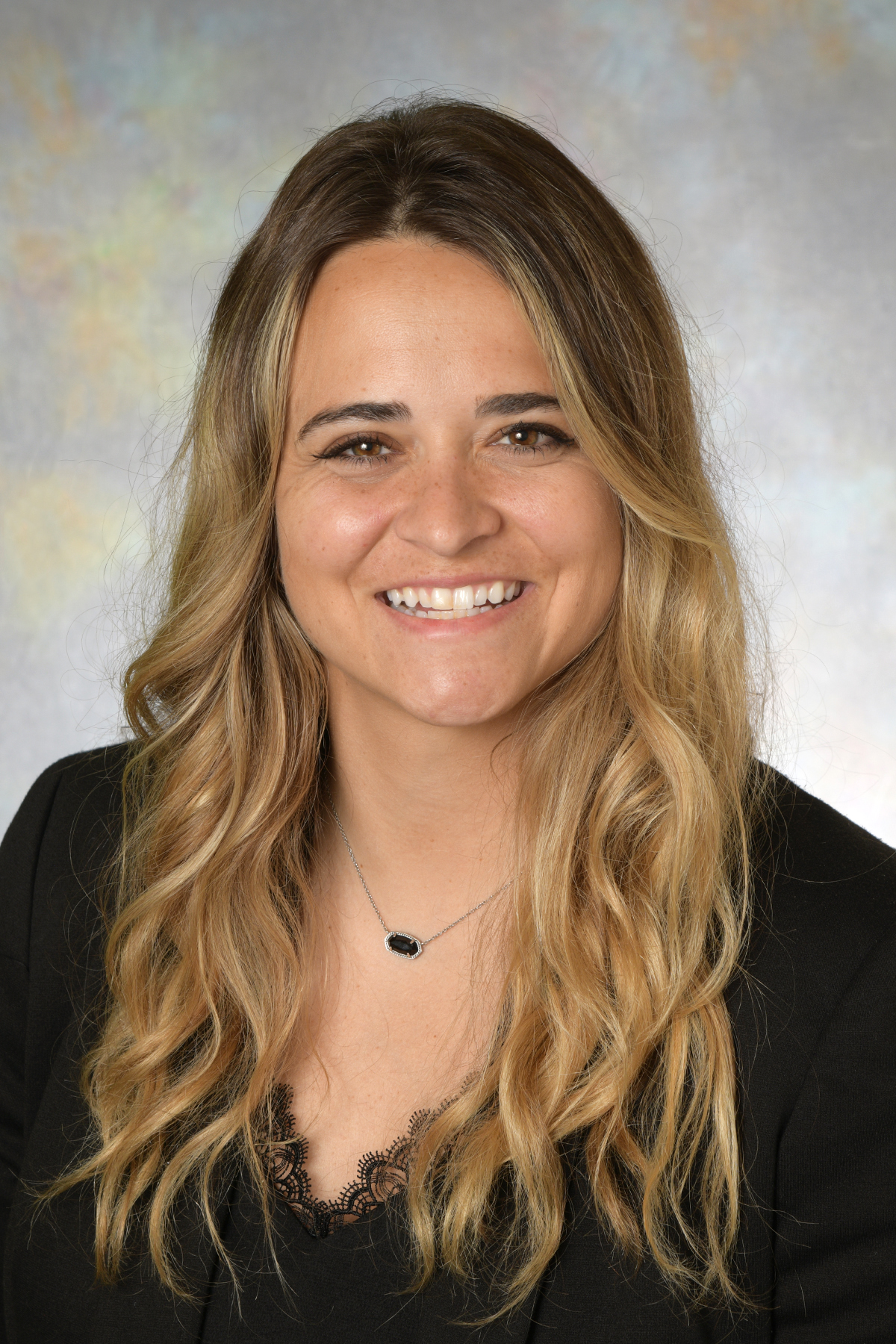
Kaytlin Hanson, MS, CCC-SLP
Trauma Prevention Specialist, Department of Trauma Services, Hennepin County Medical Center
Phone: 612-873-8500
E-mail: kaytlin.hanson@hcmed.org
Kaytlin Hanson has been serving as the Trauma Prevention Specialist at Hennepin Healthcare Medical Center (HCMC) since 2024 where she leads all injury prevention initiatives. HCMC is Minnesota’s safety-net hospital, HCMC is a Level I Adult Trauma Center, Level I Pediatric Trauma Center, and American Burn Association (ABA) Verified Burn Center, as well as home the busiest Emergency Department in the region. This provides a unique environment for advancing injury prevention. Prior to her current role, she was the lead Speech-Language Pathologist in both the Surgical and Burn Intensive Care Units, providing care to patients recovering from a wide range of traumatic injuries. Kaytlin collaborates with healthcare professionals, community organizations, first responders, and public health partners to develop evidence-based safety programs, deliver educational outreach, and connect individuals and families with resources that promote lifelong injury prevention.
Presentations
Firearm Injury Prevention and Mass Casualty Incidents: Evaluating a Health System–Based Program
Kaytlin Hanson, MS, CCC-SLP
Firearm-related mass casualty incidents (MCIs) are increasing nationwide, emphasizing the need for structured, system-level injury prevention programs. In 2021, our health system experienced record-high firearm injury rates, prompting the development of a coordinated Gun Violence Prevention Workgroup. This program was designed to address both the immediate and long-term impacts of firearm injury through a public health framework integrating clinical care, advocacy, and community-based prevention strategies.
In 2022, a hospital-wide, interdisciplinary Gun Violence Prevention Workgroup was established. Key program components included legislative advocacy, survivor engagement, expansion of hospital-based violence intervention programs (HVIPs), and integration of safe firearm storage education into clinical care. Process measures included: • Number of patients with gunshot wounds (GSWs) treated annually • Legislative activity (testimony and policy contributions) • Expansion of HVIP services to partner hospitals • Implementation of standardized safe storage counseling during well-child visits Outcome measures focused on changes in firearm injury volume, pediatric injury trends, and system-level capacity to respond to MCIs.
Following program implementation, total GSW cases decreased from 396 patients in 2021 to 202 in 2025, with pediatric cases decreasing from peak levels of 34 annually (2023–2024) to 26 in 2025. At the state level, firearm deaths increased from 437 in 2018 to 573 in 2021, then declined to 525 in 2023, with approximately 70% attributed to suicide. Programmatic successes included contribution to the passage of a comprehensive gun violence prevention bill in 2024 and expansion of HVIP services through contract services with metro hospitals, increasing access to evidence-based interventions. Safe firearm storage education was successfully integrated into routine clinical care, with providers and residents delivering standardized counseling and distributing gun locks during well-child visits. Following a firearm-related mass casualty incident (MCI) in 2025, this workgroup enabled an immediate and coordinated response, including provider testimony at the state legislature, centralized information dissemination, and rapid identification of organizational leadership to guide prevention efforts. These efforts supported passing of an omnibus gun violence bill through the state Senate but unfortunately did not reach a vote in the House prior to the conclusion of the session.
A structured, interdisciplinary gun violence prevention program using a public health framework can reduce firearm injury burden and strengthen system readiness for MCIs. Injury prevention professionals play a key role in sustaining these efforts by linking clinical care, advocacy, and community strategies to produce measurable improvements in population health outcomes.
1. Discuss the role of injury prevention during and after firearm–related MCIs.
2. Demonstrate how prevention workgroups support response, prevention, and recovery after a firearm related MCI.
3. Highlight the impact of this group on clinical practice, policy, and community interventions to reduce firearm related injuries.