
Presenter Profile
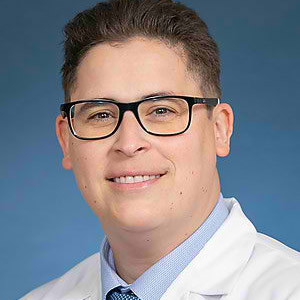
Jonathan Green, MD, MSCI
Assistant Professor of Surgery and Pediatrics, UMass Chan Medical School
Director, UMass Memorial Children’s Medical Center
Jonathan.Green2@umassmemorial.org
Jonathan Green is an Assistant Professor of Surgery and Pediatrics at the UMASS Chan Medical School in Worcester, Massachusetts. He is a practicing pediatric general and trauma surgeon. He serves as the Director of Injury Prevention and Assistant Medical Director for Pediatric Trauma at UMASS Memorial Health Children’s Medical Center in Worcester, MA. He currently serves as the principal investigator for Worcester Massachusetts Injury Free Coalition for Kids (IFCK). He received his undergraduate and medical degree from the University of Florida. He completed his general surgery residency at UMASS Chan Medical School, in Worcester, Massachusetts and his pediatric surgery fellowship at Oklahoma Children’s Hospital in Oklahoma City, Oklahoma. His work in injury prevention, spans from firearm safety in the community, safe driving programs for teenagers, development of a helmet distribution program and multidisciplinary education programs for car seat safety among NICU patients.
Presentations
Description and Cross-Sectional Analysis of a Helmet Distribution Program at a Pediatric Level One Trauma Center
Lily Den Hartog, BS
Zachary Ballinger, MD, MSCI
Jeremy Aidlen, MD
Muriel Cleary, MD
Kaitlyn Wong, MD, PhD
Jonathan Green, MD, MSCI
Despite longstanding evidence that helmets decrease brain injury severity, rates for helmet use among children and adolescents remain low, particularly in males, residents of lower income neighborhoods, those with public insurance, racial minorities, and adolescents. A 5-year review of helmet use at our institution found that nearly 2/3 of bicycle-related pediatric trauma patients were unhelmeted. This led to the creation of our institution’s Helmet Distribution Program, which aims to improve access to helmets and educate adolescents about their benefits, thereby improving habitual helmet use. This study’s goal is to analyze demographic and socioeconomic trends, as well as clinical characteristics, of participants in the Helmet Distribution Program.
Cross-sectional analysis was performed of patients who received helmets through the Helmet Distribution Program from 06/01/24-05/21/26 at our Level 1 Trauma Center. Patients qualified for a helmet if they presented to the Pediatric Emergency Department after a traumatic incident where they should have been helmeted, but were unhelmeted or damaged their helmet during the event. Demographic data was collected and socioeconomic status was assessed via calculations of the CDC’s Social Vulnerability Index (SVI) and the University of Wisconsin’s Area Deprivation Index (ADI). Descriptive statistics were used.
106 patients received helmets. The mean age was 12.2 years, 86% were male, 57% White, and 36% identified as Hispanic or Latino. 75% primarily spoke English, followed by Portuguese (12%) and Spanish (9%). The majority (75%) were publicly insured. Average MA State Decile ADI was 8.07, and 88% of patients lived in a community with a Medium-High SVI. The overwhelming majority (94%) were unhelmeted at the time of injury. Most commonly, patients were riding bicycles (61%), of which 36% involved a vehicle collision, followed by scooters (21%) and motorized bicycles (15%) (Figure 1). 28 patients had no associated injuries, 48 had a single injury, and 30 had multiple injuries. Head trauma and extremity fractures constituted the majority of injuries (77% combined) (Figure 2). Most patients (56.6%) did not require admission, though 34% required admission to the floor and 8.5% required ICU admission. Only 17 patients required operative intervention.
Patients receiving helmets via our institution’s Helmet Distribution Program are mostly of early adolescent age, male, and publicly insured. They are from more disadvantaged communities, as illustrated by elevated ADI and SVI scores. Most sustain head trauma or extremity injuries in bicycle-related incidents, though most do not require hospital admission or surgery. Characterizing these patients validates program utility and identifies populations to target for further helmet education and distribution, ultimately informing a more focused effort to prevent injury related to a common cause of pediatric head trauma.
1. Discuss the utility of a helmet distribution program at a Level 1 trauma center.
2. Describe demographic trends and clinical characteristics of patients receiving helmets via a helmet distribution program.
3. Identify populations at greatest risk for injury due to helmet disuse.